Read here, kept for good — one figure, image, or word at a time. (Also delivered by email newsletter.)
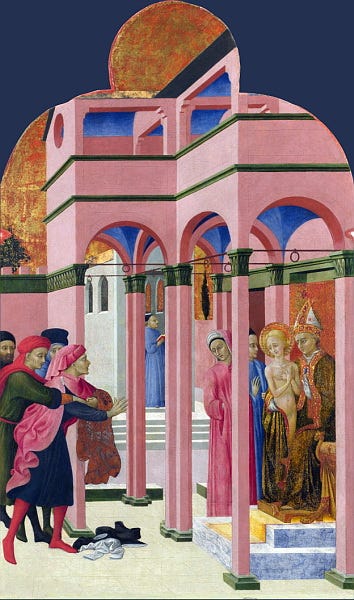

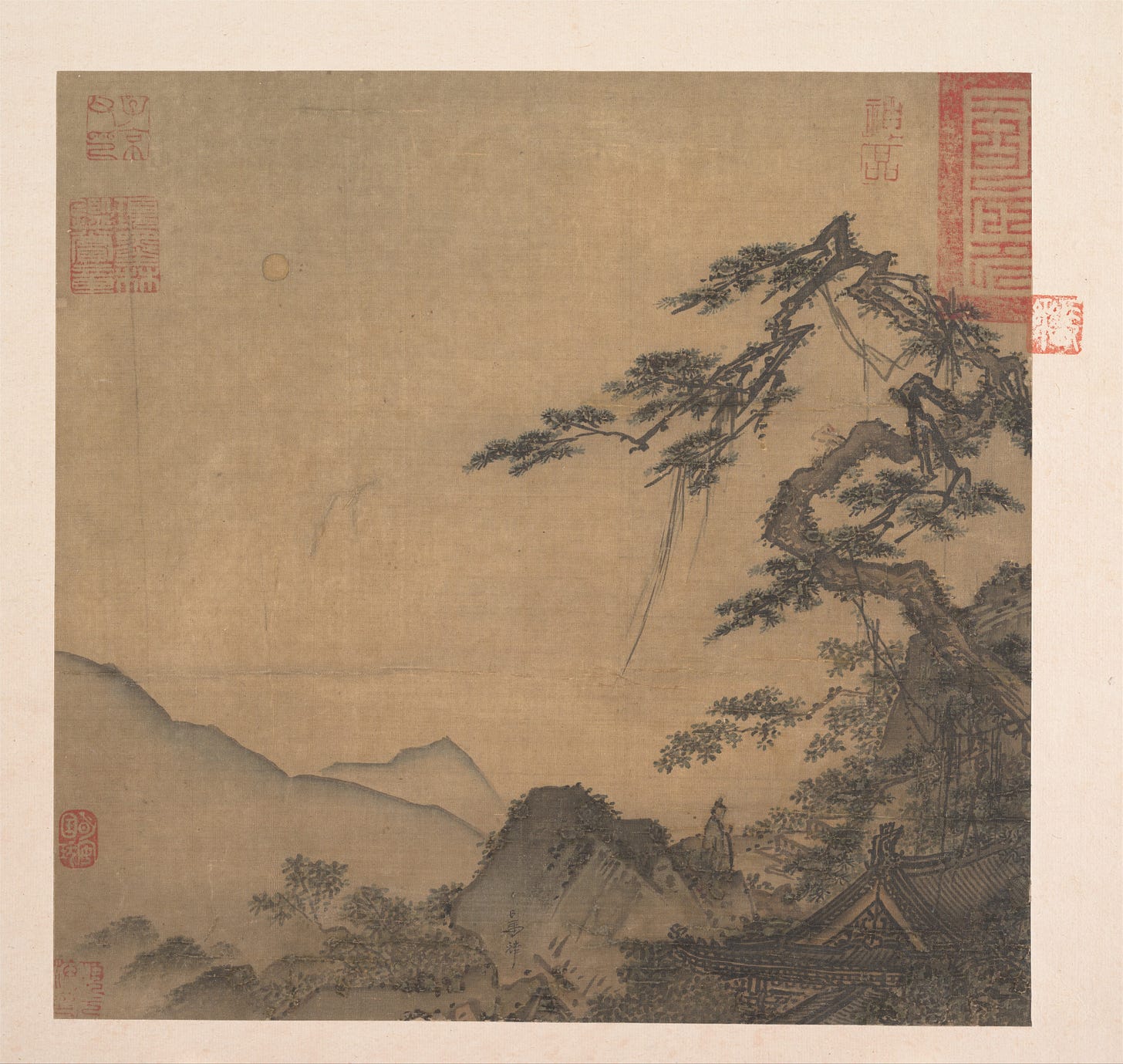
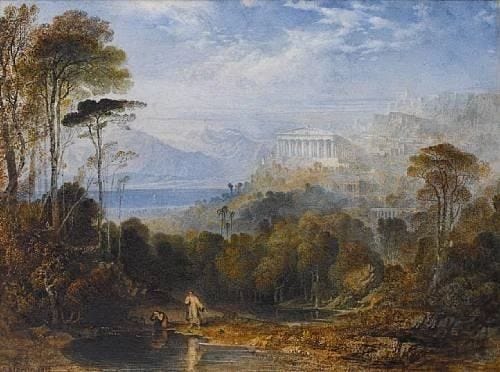

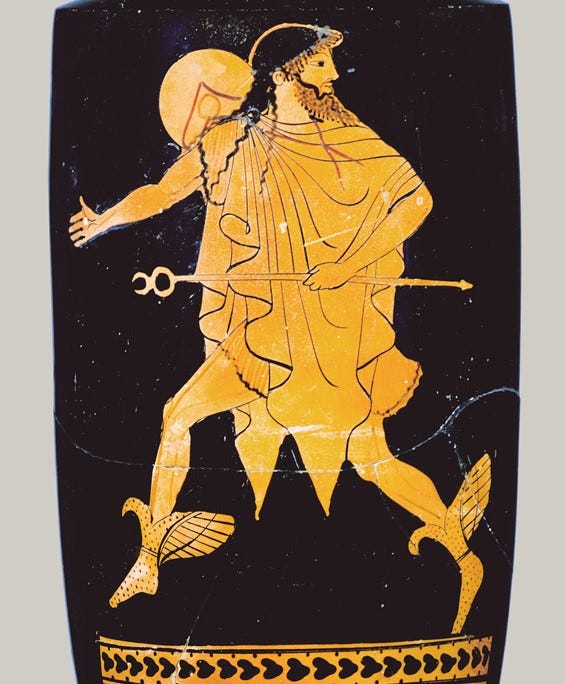
The whole project turns on one small unit: the move — what a passage, a figure, a practice is actually doing, underneath the tradition it belongs to and the words it uses. The Method is built to name millions of these at scale. But that coding has not begun. It is the frontier, and it stands at zero.
The essays are where that same reading happens now: by hand, in prose, one figure at a time. An essay is a move read slowly — Francis's poverty read as the closing of a distance; Clare's read as the same hunger, walled in, turned inward — before any machine can read them fast. So the essays are two things at once: a proof of what the grammar sees when it works, and an honest placeholder for the coding that has not happened yet.
They are also the project's public voice — the Grammar of Meaning Substack, where the work is thought out loud, in the open, as it is made, rather than summarized once it is safe.
The essays are the move done by hand — a life read slowly, before the machine can read them fast.
— Grammar of Meaning · on what the essays are for
Each essay reads one thing: a single figure, image, or word, closely enough to see the move it makes. The register is curatorial, not confessional — first person about the subject, not the self — and it is built to earn its meaning, not assert it: stand the reader inside a real life, name plainly what it means, and then trust the image to carry the rest.
One discipline keeps it honest above all others: a figure-essay is a window, not a rhyme. It deepens one tradition from the inside; it never claims that two traditions "agree." A rhyme — the same move made in a different voice — is the project's real question, and it belongs to the Method and to the summary posts, never smuggled into a single portrait. The rhymes have not been drawn. That is the same frontier as the coding.
A figure-essay opens a window. It does not draw a rhyme. The rhyme is the frontier — the same frontier as the coding.
— Grammar of Meaning · window vs rhyme
The essays are written for the message and to make the figure come alive; style serves, it never leads. That means proclaiming a meaning and trusting the reader with it, rather than lecturing toward it — analogy in the body, not a sermon at the end. No self-help, no homework.
It also means refusing the holy-card. A figure is held up to widen what a reader can see as choosable — never as an instruction to imitate. The cost is stated flat, without romance; where a life runs to a dangerous edge, the essay says so, and holds the bright half and the dark half in the same hand. The honesty is the value: the essays are clear about what is a portrait and what would be a claim, and unwilling to blur the two.
The draft you eventually read is not typed once, start to finish. It is crowdsourced from a small machine shop — and the process is worth showing, because it says plainly who does what.
A seed goes to the corpus, which returns a reference pack: sources, clean quotes, the historical sitz, and a deliberate reach for non-Western scholarship most tools skip. Several agents then draft the whole piece in parallel, each through a different door — story-first, provocation-first, paradox-first — returning a menu of complete drafts, not one. A panel of independent readers reviews it next, each prompted to refute rather than praise — the same adversarial, many-perspectives method the project uses to stand in for human inter-rater reliability on the corpus, turned on an essay instead of a code.
What the engines do is gather, draft, and argue. What they do not do is make the essay. The seed, the shape, the graft between drafts, and — above all — the revision, which is the bulk of the work, dozens of line-level passes, are the human's. The engines draft; the human makes the essay.
The engines gather, draft, and argue. The human makes the essay — and the revision is the bulk.
— Grammar of Meaning · how an essay gets made
A window, not a result.
Each is a window into a single tradition, not a cross-tradition result; the rhymes those windows are built to reveal wait on the coding, which stands at zero. What ships here is the reading and the voice — never a conclusion the corpus has not earned.
And the question those windows are built to open is a rhyme: not whether traditions agree, but whether they make the same move underneath their different answers. A rhyme is the same move made in a different voice. That is the frontier — and these essays will keep saying exactly that until it is crossed.
The engines gather, draft, and argue; the human makes the essay — and the revision is the bulk. The full pipeline, left showing: